
Upgrading Anou's Artisan App
We are excited to release the next version of the Anou artisan app, or the first page an artisan sees when they log in to the Anou webpage. Anou's technology has changed and improved substantially in the last decade, but we never updated the home page because it was just what artisans were used to and any changes to this could create a lot of unintended consequences. However, the positives of technology improvements have now finally outweighed any downside of changing the page.
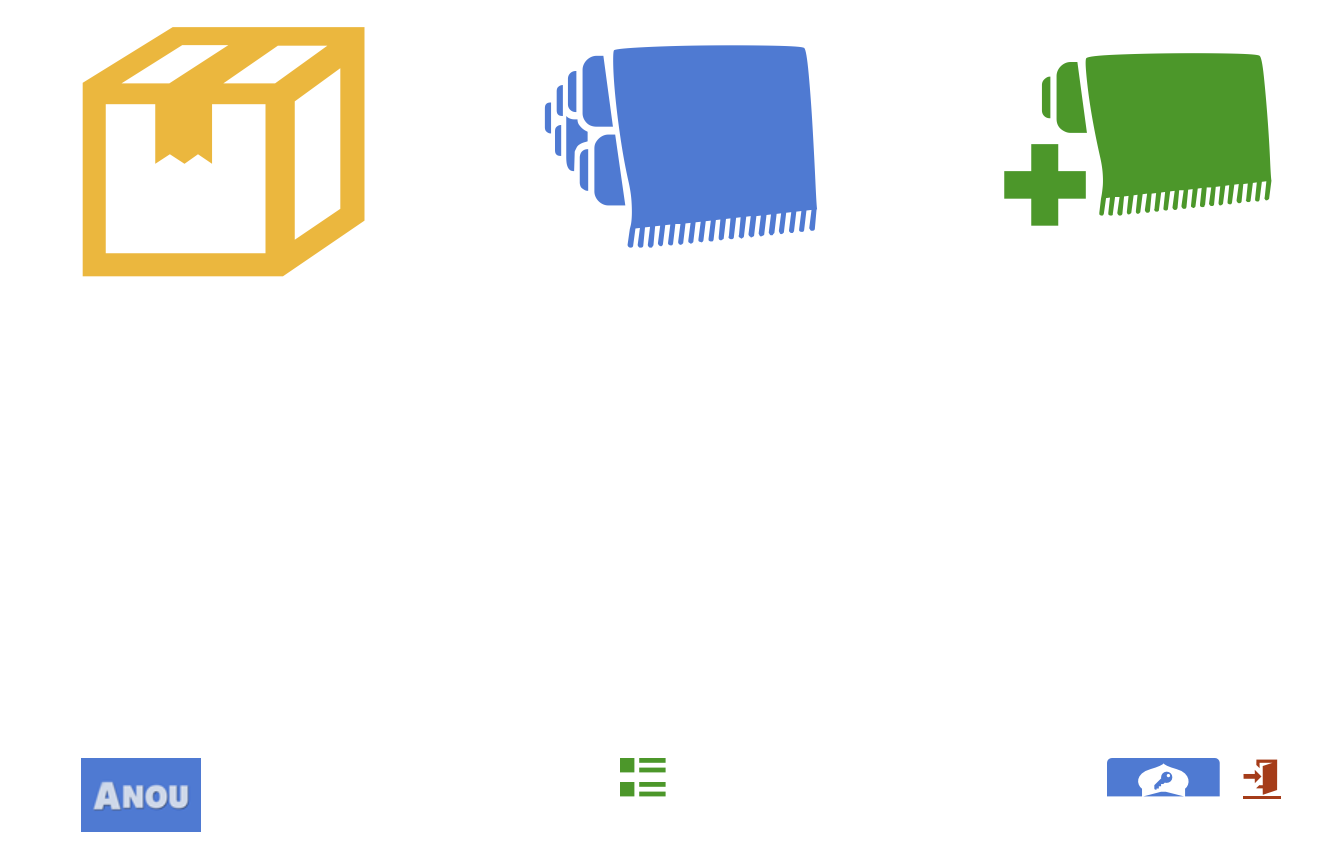
Below is the home screen. The icons on it are the ones from Anou's second rebuild in 2014, and we designed the new app around them rather than draw them again. What has changed is how much of the business runs from this one screen: adding a product, orders, inventory, custom orders, AWSco wool orders, fines (yes, we fine artisans for not responding to their orders ha) and visits. Applying to open a workshop or new residency program now happens in the app too.
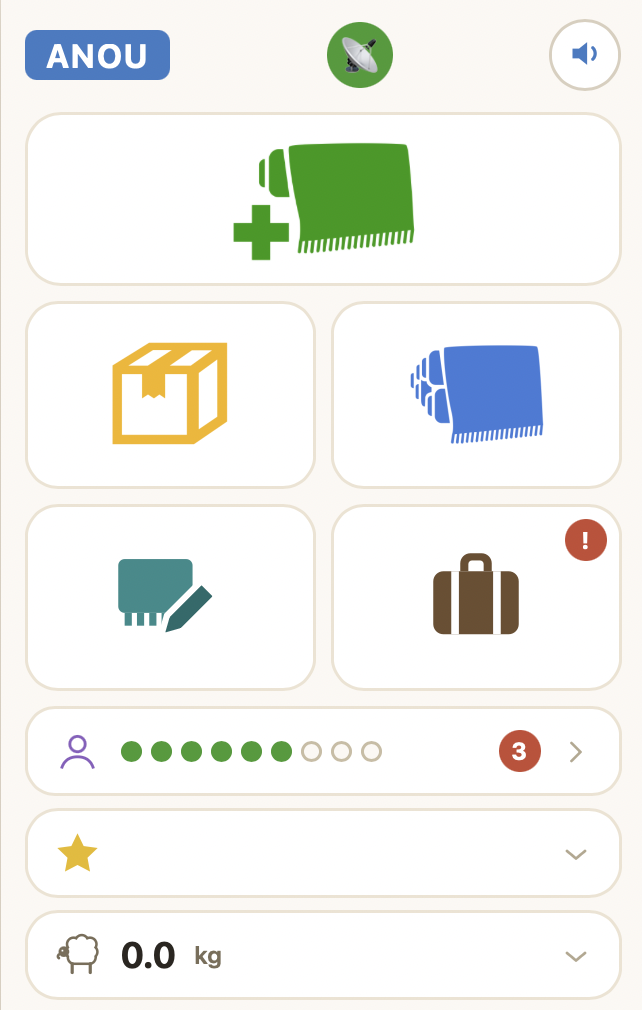
There are many changes we've made, but there are two major ones. The first is that the app no longer assumes there is internet. An artisan can add a product, set the price and take the photographs with no connection at all. The work sits in a queue on the phone and uploads in the background when there is signal, a piece at a time if the signal is thin. This is critical, because starting in 2025 Morocco's 4G/5G rural coverage has drastically slowed to where most villages have unusable internet. The functionality direction was to enable our most rural artisans the ability to add products to their store on their phone, hand the phone off to a taxi, so when the taxi runs to a nearby town with better internet, their online store will sync. Their products will upload to Anou, and any orders, or visit bookings will download to the phone. In Afous Gafous's case, there is a near by hill with great connection. So just run up to the top of the hill, and upload/download all important information and do another hill run the following day.
The second is audio on every critical button. Tap or long-press a button and you hear what it does before you press it. The clips are recorded by our team, in the language the group speaks — Darija for most groups, Tamazight where that is what is spoken — and we re-record any clip, any time, if a group tells us the wording is confusing. That takes minutes rather than a software release.
To demonstrate this, the below is a custom order commissioned from us through the Commission This Rug button (learn more about commissions / custom orders here). Here the custom order page shows that the group accepted the order, the customer paid, and the fourth step on the card is lit, which means the rug is on the loom. The deadline is 10 November 2026, and under the latest progress photo the customer has left a 😍. Any of those buttons with a speaker, if you tap it, it'll play an audio describing either what the button does or updating the artisan on the status. This is a live rebuilt example, click it yourself:
An interface made of symbols rather than words has a learning curve of its own, and it may well be a steeper one than text would have been. Audio is our attempt to close that gap. If this first version works, we will expand the language side of the app, possibly down to the specific dialect a group speaks.
The point of building this technology this easy reflects Anou's long-term vision since the start: Morocco's craft economy has never lacked skilled artisans. What it does have though is a long chain of people in between who quote the price, run the accounts and find the customers, and none of that is a craft and yet those who do these skills keep 96% of the value of each sale. With Anou, we're building software simple enough and that traditional middlemen role is automated, and the value and the skill of running the business stay with the artisan who made the rug, ensuring that the artisans always earn more than enough to create spaces of creativity and further the development of Morocco's craft and culture long into the future.
If you want to see it from the other side, use the "Commission This Rug" button on any rug on the marketplace, or write to us at hello@theanou.com.
Support This Work
Anou is owned and run by the artisans themselves — programs like the ones in these stories are funded entirely by marketplace sales and supporters like you. Your donation directly expands artisan-led work across Morocco.
Donate to Support Artisans